
Author: 759959pwpadmin
-

Screen Time and Kids’ Mental Health: Why This Is Becoming a Public Health Priority
Many families feel it: more meltdowns, less sleep, more withdrawal, more anxiety—often alongside more time on phones, tablets, games, and social platforms. The question is no longer whether screens affect children, but how we reduce harm while protecting learning, connection, and development. Important: This article is for general education, not medical advice. If a child…
-
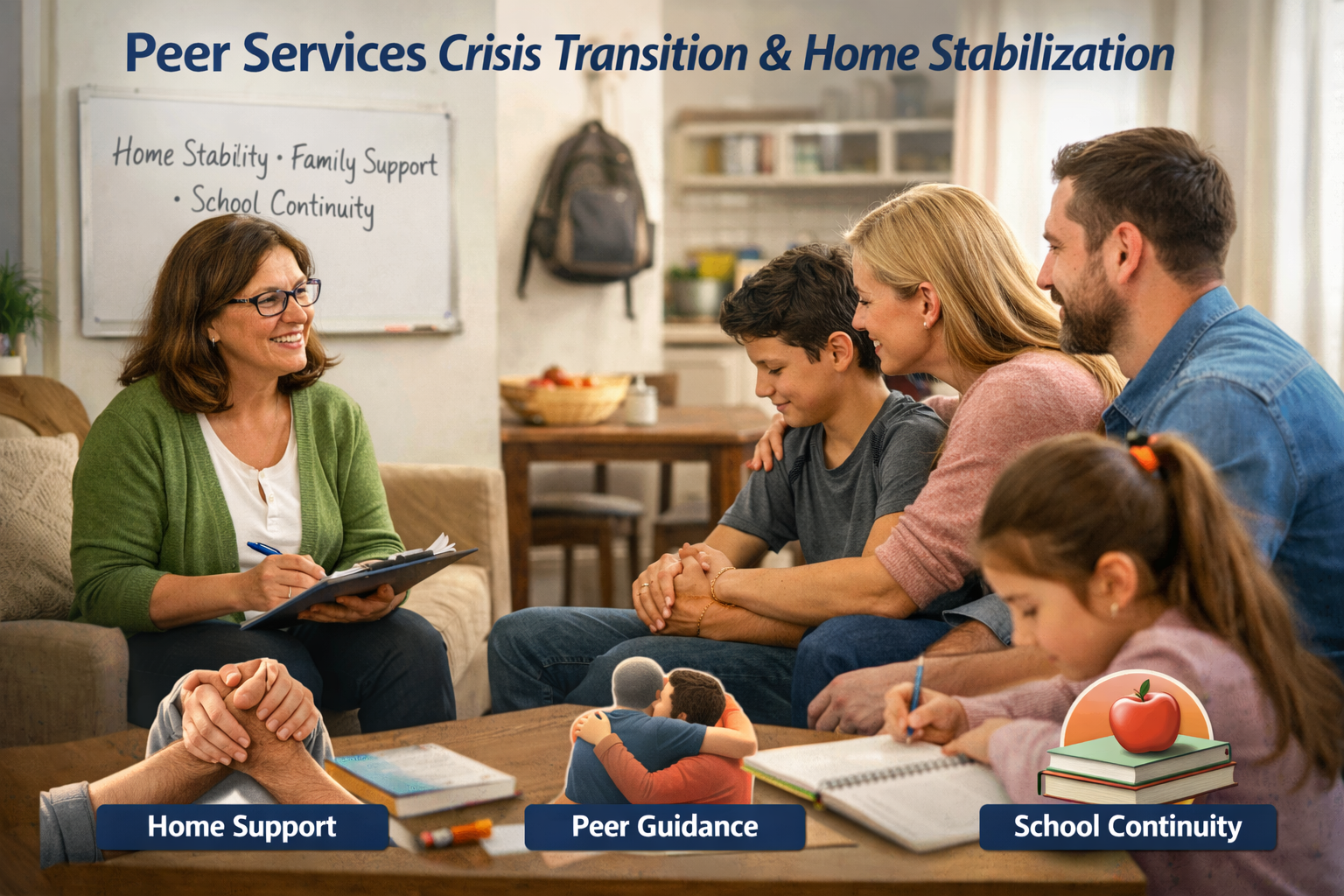
Why Every Community Needs a Peer Services Crisis Transition & Home Stabilization Unit | PeerNextGroup
Discharge after crisis hospitalization can leave families in a high-risk gap. A peer-led, non-medical Peer Services Crisis Transition & Home Stabilization program closes that gap by restoring routines, supporting family and school continuity, and guiding reintegration—without replacing clinical care.
-
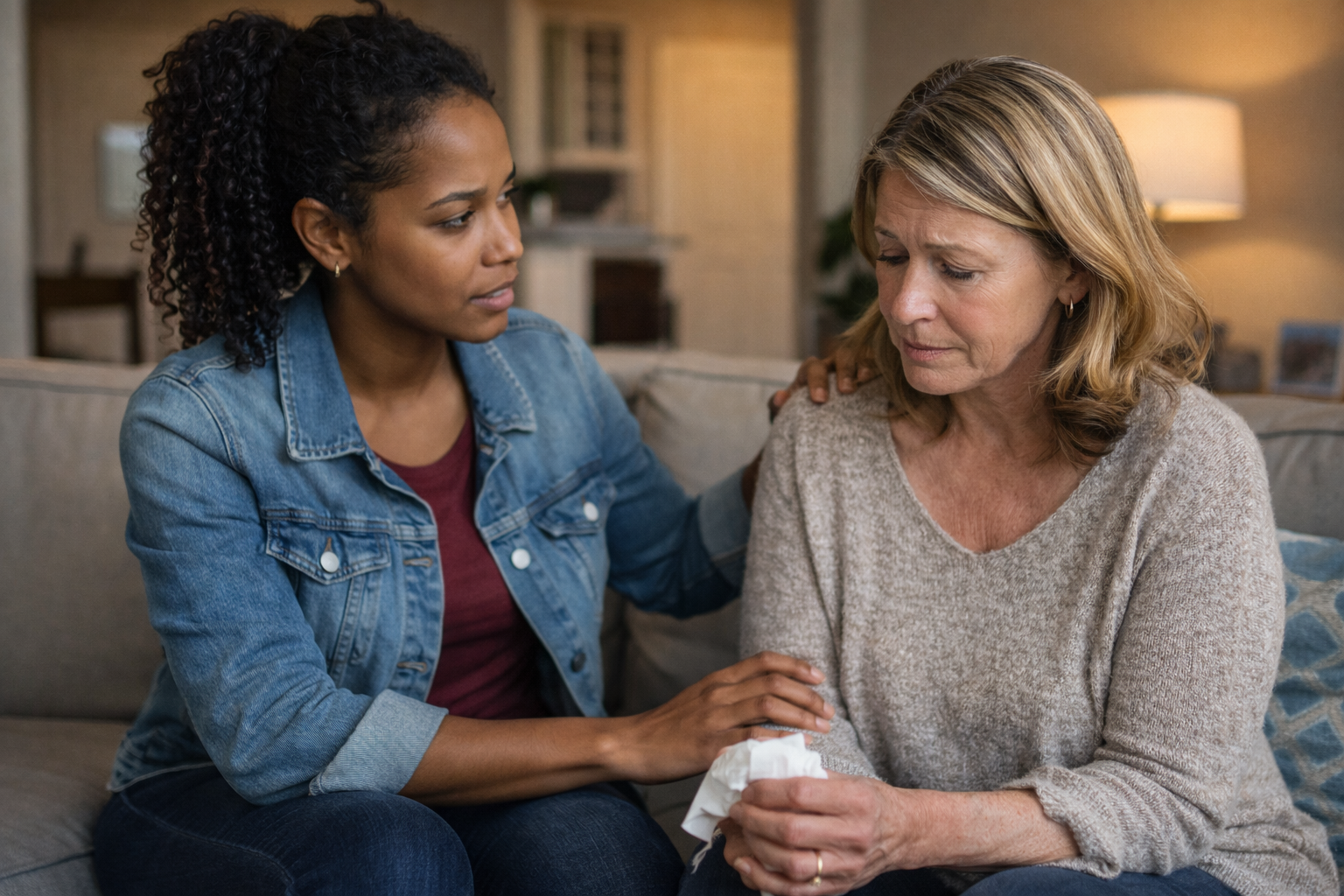
Dealing With Family Transition, Divorce, or Loss—and How Peer Services Can Help
Family transitions such as divorce or loss can be emotionally overwhelming and isolating. This article explains how peer services provide non-clinical, lived-experience support that helps people navigate grief, change, and recovery with connection and stability.
-

Life After Hospitalization: Recovery, Stability & How Peer Services Help
Leaving the hospital is often harder than expected. This article explains what to expect in the first 30 days after discharge and how peer services help people navigate recovery, follow-up care, and daily life with stability and support.
-

Transitioning back to life after incarceration
—
by
Reentry is more than release—it’s rebuilding daily life while managing deadlines, stigma, and stress. This guide covers the first 30 days after incarceration and explains how peer services help people stay engaged, reduce isolation, and take practical steps toward stability.
-
Transitioning from Military to Civilian Life: The Hidden Stressors—and How Peer Services Help Veterans Thrive
Each year, about 200,000 U.S. service members transition from military service to civilian life. DiscoverVA+2DOL+2 For some, that transition is smooth. For many others, it is a complicated life change that touches everything at once: identity, daily structure, relationships, work, health, and the simple question of where you belong now. The hardest part is often…
-

Peer Services: Why They Work, How They Help, and What to Look For
Peer services work because people change faster—and stick with change longer—when they feel understood, not judged. Peer support connects someone who is struggling with a trained peer specialist who has lived through similar challenges and has learned practical ways to move forward. It’s non-medical, relationship-based support that helps people build skills, confidence, and consistency in…
-
PeerNextGroup’s Approach
—
by
PeerNextGroup’s Unique Approach to Peer Support Services: Trust, Routines, and Real-World Recovery PeerNextGroup, Inc. Peer-led support • Role clarity • Community connection Peer Support Services • Recovery Support • Community PeerNextGroup’s Unique Approach to Peer Support Services Updated: December 17, 2025 • By PeerNextGroup, Inc. Quick answer: PeerNextGroup’s model is built for the moment that…
-
Effect of Smart Phones on Children’s Mental Health
—
by
Smartphones and Children’s Mental Health: Why Delaying Phones Works Better Than Time Limits | PeerNextGroup PeerNextGroup, Inc. Peer-led support • Youth & caregiver peer services • Community connection Youth Mental Health • Smartphones • Social Media Smartphones and Children’s Mental Health: Why Delaying Phones Works Better Than Time Limits Updated: December 14, 2025 • By…
-
Peer Support Services
—
by
What Are Peer Support Services? Benefits, Types, and How to Get Help | PeerNextGroup, Inc. PeerNextGroup, Inc. “` Peer Support Services • Mental Health • Recovery • Community What Are Peer Support Services? (And Why They Work) Updated: December 14, 2025 • Read time: ~6 minutes Peer support services help people build practical skills, connection,…