
PeerNextGroup’s Unique Approach to Peer Support Services
Quick answer: PeerNextGroup’s model is built for the moment that too many systems neglect: the return to ordinary life. We help people rebuild trust, routines, and belonging after medical or psychiatric treatment through non-clinical peer support that stays role-clear and safety-aware. When a person’s needs cross into clinical territory, we don’t pretend peers are clinicians—we coordinate a warm handoff to licensed care.
If your community is building peer services or strengthening the peer-to-clinician bridge, connect with PeerNextGroup.
Peer support is often described as “help from someone who’s been there.” That’s true—but incomplete. Done well, peer support is also a disciplined practice: it protects trust, respects boundaries, and gives people practical scaffolding for the hard work of living. PeerNextGroup exists to do peer support the way it should be done: with humanity and structure, without drifting into clinical roles.
Our North Star: People don’t just need information. They need relationships, routines, and a sense of “I can do this.” Peer support helps restore that—without turning peers into pseudo-therapists.
Building peer services that actually hold up in real life
PeerNextGroup supports local peer programs with role clarity, training support, and warm-handoff practices—so people can step down from treatment without falling into an “aftercare gap.”
Get Connected →The problem we target: the “aftercare gap”
Many systems do one part well: treatment, stabilization, discharge. Then comes the cliff—home, work, family stress, social pressure, loneliness, boredom, the internet, the old patterns. The public story calls this “noncompliance” or “lack of motivation.” The lived reality is simpler: a person is trying to rebuild a life with too little support and too much complexity.
PeerNextGroup is built around a practical truth: recovery is a lifestyle problem as much as it is a clinical problem. The skills that keep someone well—sleep, routines, friendships, coping, meaning, accountability—are practiced in the real world. That is exactly where peer support belongs.
What makes PeerNextGroup different: role clarity you can feel
We don’t blur the line between peer and clinician. That line protects everyone: the person receiving support, the peer workforce, clinicians, and the integrity of the program. It also protects the most important ingredient of all—trust.
PeerNextGroup’s “trust-first, routine-driven” method
A lot of programs talk about “support.” We operationalize it. PeerNextGroup builds support around small, repeatable actions that compound: showing up, checking in, naming strengths, planning the next 24 hours, practicing boundaries, and rebuilding belonging.
1) We start with the person’s language, not the system’s labels
People disengage when they feel categorized, managed, or corrected. Peer support begins by taking someone seriously—by reflecting their own words, goals, and worries back to them. That reflection is not therapy; it’s human alignment. It’s how trust becomes possible.
2) We build routines that survive stress
Routines are not “nice extras.” They are stabilizers. PeerNextGroup focuses on the basics that keep people regulated: sleep protection, daily structure, movement, meals, social contact, and practical next steps. We help people translate “I want to be better” into “Here’s what I’m doing today.”
3) We strengthen real-world belonging
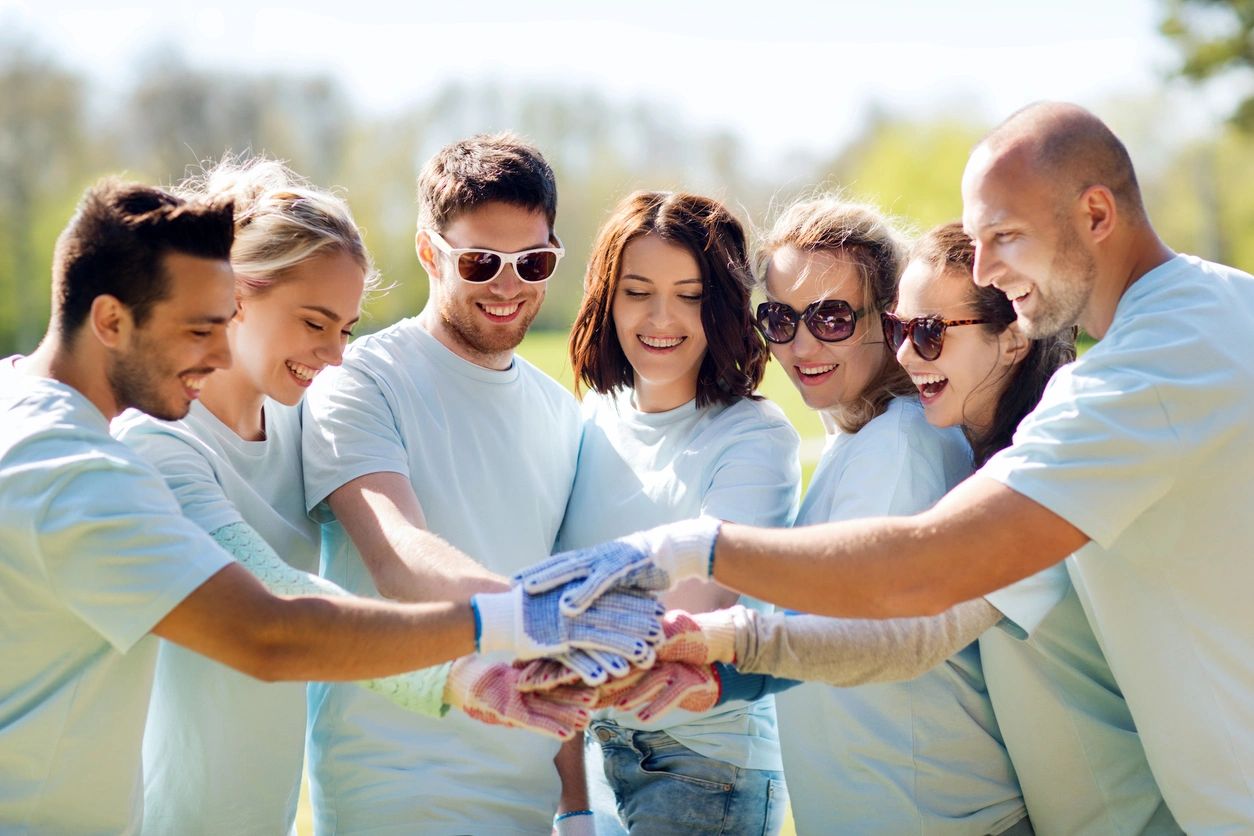
Isolation is not a personality flaw; it’s a public health problem. PeerNextGroup’s approach treats connection as infrastructure: peer circles, group check-ins, community participation, and consistent relationships that don’t disappear when a crisis ends.
Plain-language standard: If our support can’t be explained without clinical jargon, it’s probably not peer support. We keep peer work peer—and we do it with excellence.
The non-negotiable: warm handoffs to licensed care when needed
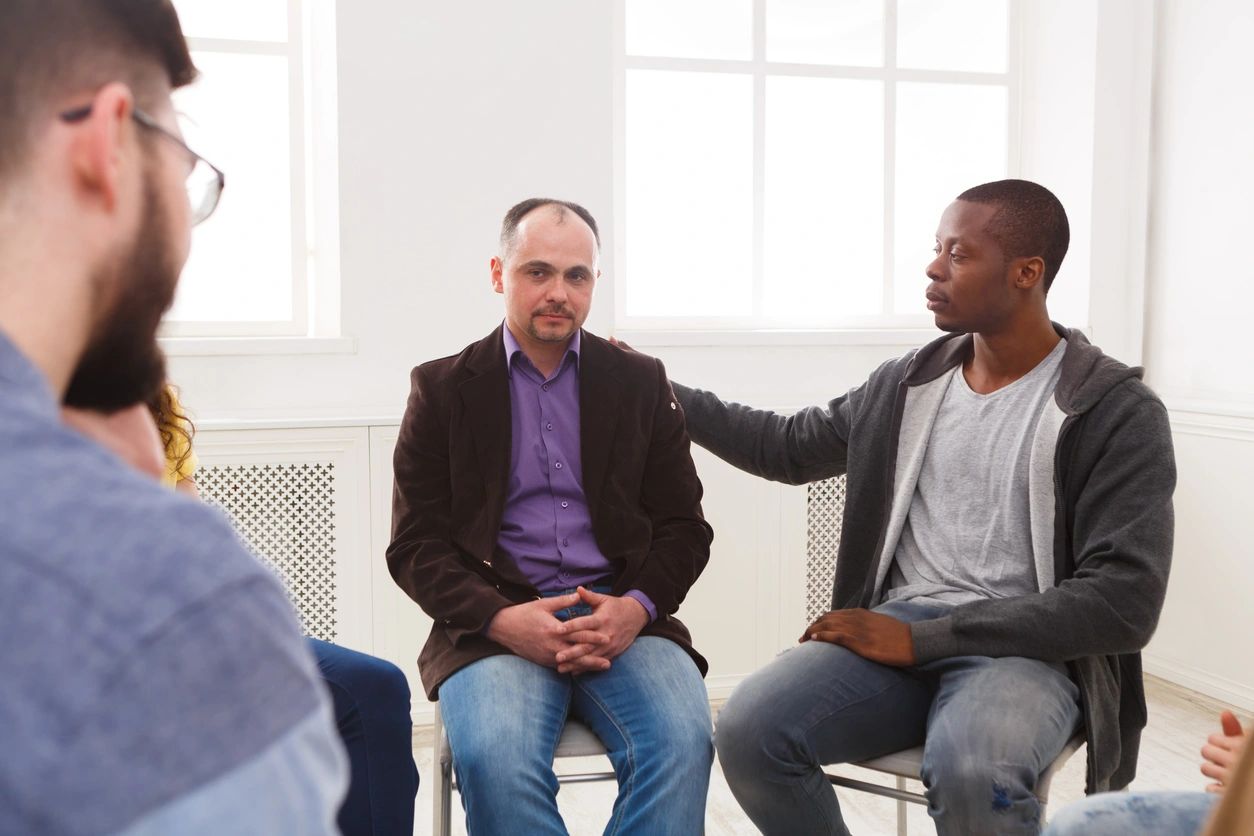
Peer support is powerful—and limited by design. When safety concerns arise, when medication or diagnostic questions appear, or when someone is deteriorating rapidly, the ethical move is not to “try harder” as a peer. The ethical move is to transition the person to licensed care while preserving dignity and continuity.
When a handoff is required
- Safety concerns: suicidal ideation, threats, inability to care for self, or imminent risk signals.
- Clinical needs beyond peer scope: medication questions, diagnostic concerns, complex symptom escalation.
- Rapid instability: post-discharge deterioration, inability to function, or complex care coordination needs.
Our five-step warm handoff (what it looks like in practice)
- Reflect and summarize what the individual shared (using their words).
- Explain peer role limits and why clinical care is appropriate here.
- Offer options and honor preference when possible (who, when, how).
- Introduce warmly—not a cold referral, but a supported connection.
- Confirm next steps and document appropriately.
Documentation standards (protects the person and the program)
- Use observable facts and the individual’s own language.
- Document who was contacted, method, time, and agreed follow-up.
- Avoid clinical language, diagnosis, or treatment directives.
We’re not “anti-clinical.” We’re pro-clarity.
PeerNextGroup is non-clinical by design, not by accident. We respect clinical expertise and the role of licensed care. What we challenge is the lazy habit of pushing everything into the clinical bucket and calling it “help.” Some of what people need is not another assessment—it’s a steady human bridge back to life.
For broader context on peer support roles and the importance of role clarity in non-clinical settings, see: SAMHSA peer support resources and the Medicaid overview of peer support services.
FAQ: PeerNextGroup’s Peer Support Model (Structured Snippets)
Question: What makes PeerNextGroup’s peer support services different?
Answer: We keep peer support non-clinical and trust-first—focused on practical routines, strengths-based reflection, and real-world belonging—while using warm handoffs to licensed clinicians when safety or clinical needs require it.
Question: Do PeerNextGroup peers diagnose or provide therapy?
Answer: No. Peers do not diagnose, provide therapy, prescribe medication, or make clinical risk determinations. When licensed care is needed, we help connect the person with a clinician through a warm, supported handoff.
Question: What is a warm handoff from peer support to a clinician?
Answer: A warm handoff is a respectful transition that preserves trust: the peer summarizes what the person shared, explains role boundaries, offers options, introduces the clinician using the person’s own words when possible, confirms next steps, and documents observable facts without clinical language.
Want to build (or strengthen) peer support services with role clarity and better continuity? Contact PeerNextGroup.
A practical next step
If you’re a parent, provider, school, employer, or community leader looking at rising mental health strain and thinking, “Our system isn’t catching people early enough,” you’re not wrong. Peer support is one of the few approaches that can be consistent, human, and scalable—if it’s built with boundaries and real-world practices.
Let’s strengthen peer support in your community
PeerNextGroup supports local peer services with trust-first engagement, documentation discipline, and warm handoff practices—so people don’t get lost between discharge and stability.
Contact PeerNextGroup →Educational content only; not medical advice. If you or someone else is in immediate danger, call 911 (or your local emergency number).